











Trending Now
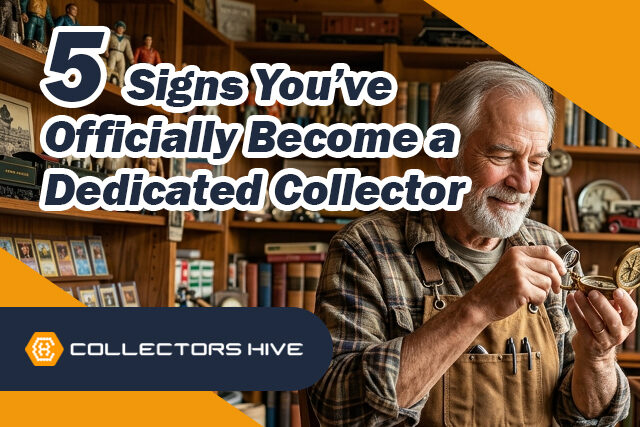
5 Signs You’ve Officially Become a Dedicated Collector (And Why It’s...
We all start the same way. Maybe it was a single [item, e.g., action figure, coin, sneaker] that caught your eye, or perhaps you inherited a piece of history that sparked an interest. But at what point does a simple "interest" turn into a full-blown collection? Here at Collectors Hive, we’ve seen it all. If you find yourself nodding along to these five signs, welcome to the club—you’re officially one of us.
1. You Start Seeing "History" Instead of "Objects" Most people see a [type of item] and think of its utility. You see a [type of item] and think of the year it was manufactured, the scarcity of its design, or the story behind the person who made it. You’ve stopped just owning things; you’ve started curating a timeline.
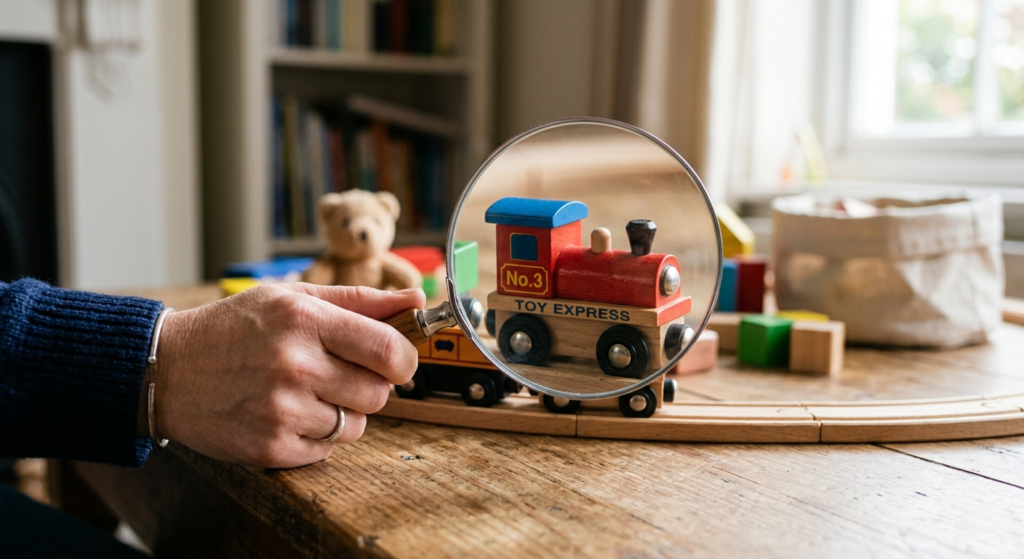
2. Your Friends Have Stopped Asking "Why?" There comes a moment when your friends and family stop asking, "Why do you need another one of those?" and start asking, "Have you found that [specific rare item] yet?" When your inner circle starts supporting the hunt, you know you’ve hit the big leagues.

3. You Have a "System" Whether it’s color-coding, cataloging by year, or using a specific type of protective casing, you have a process. You take pride in how your collection is organized, and you’re always looking for better ways to display or preserve your treasures.

4. The "Hunt" is More Fun Than the Arrival The thrill of the search—the late-night browsing, the negotiation, the anticipation of a package arriving—is half the magic. You’ve learned that the journey to acquire a piece is often just as rewarding as holding it in your hands.
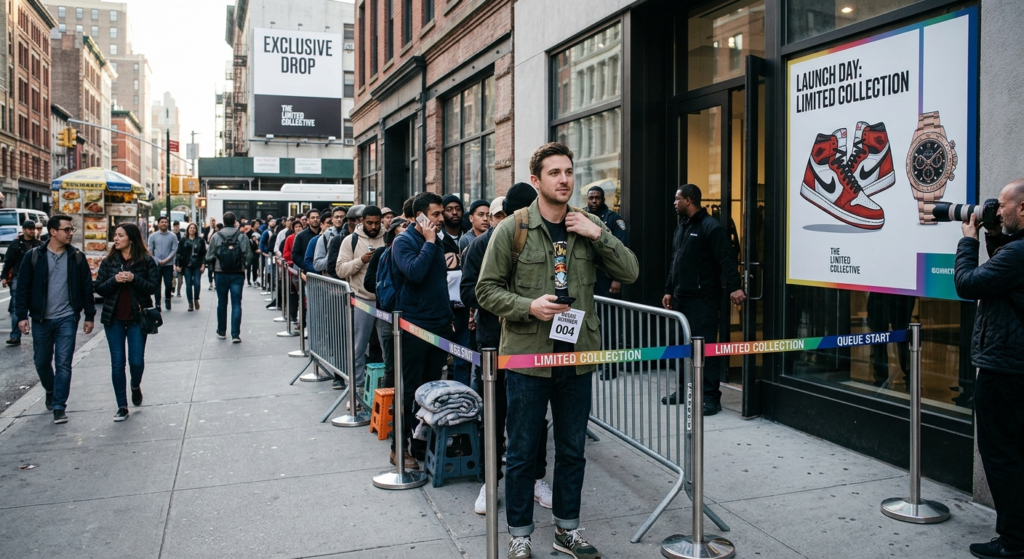
5. You’re Part of a Community The best part of collecting isn’t the shelf; it’s the conversation. Whether you’re sharing photos on Facebook, trading advice, or helping a newbie identify a piece, you’ve realized that collecting is better when done together.
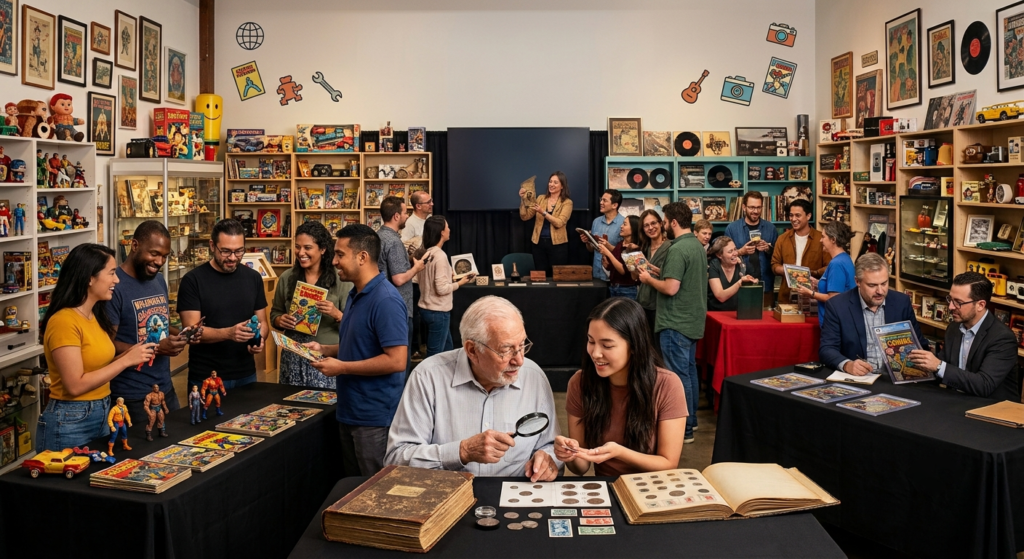
Conclusion Being a collector is about more than just accumulation—it’s about passion, preservation, and connection. Whether you’re a veteran with a massive collection or you’re just starting your very first project, we’re glad you’re here.
Tell us in the comments: Which of these signs hit closest to home for you? Or did we miss one? Share your "collector moment" below!
Expert Tip: How to “Future-Proof” Your Collection
Whether you collect vintage vinyl, rare coins, designer sneakers, or digital art, the goal is often the same: to curate something that retains value, tells a story, and stands the test of time. But how do you ensure your collection doesn't just gather dust—or lose its relevance?
"Future-proofing" isn't about predicting the next big trend; it’s about preservation, documentation, and strategic curation. Here is how to build a collection that lasts for generations.
1. Prioritize Condition Over Quantity
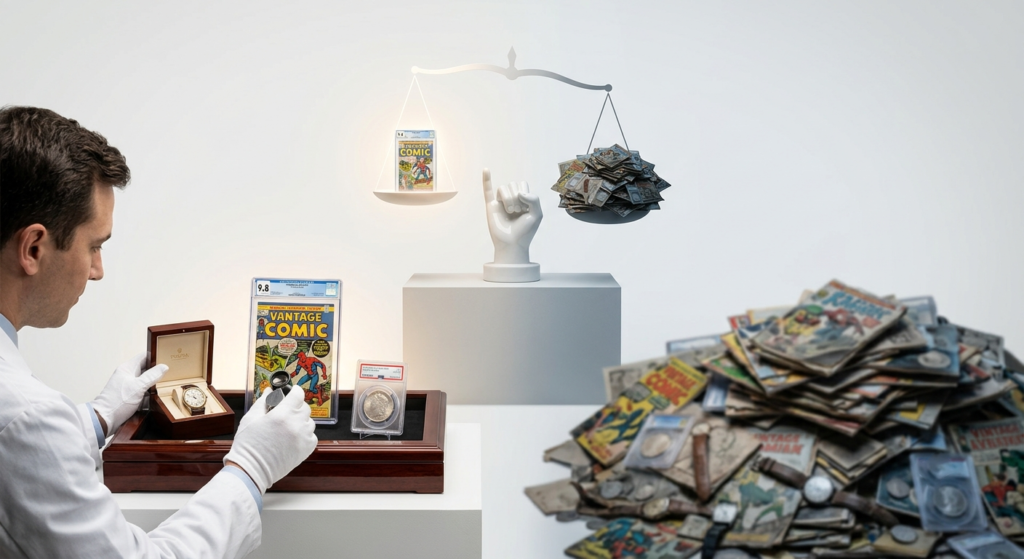
It is a golden rule in every collecting niche: Condition is king. A mediocre collection of "okay" items will rarely appreciate, but a smaller, high-grade collection will always hold interest.
-
Environmental Control: Invest in acid-free storage, UV-protective cases, or climate-controlled environments. Humidity and sunlight are the silent killers of value.
-
Handle with Care: If you collect physical items, use archival-grade supplies (gloves, sleeves, or boxes) to prevent skin oils and debris from degrading the material.
2. Maintain a "Living" Inventory
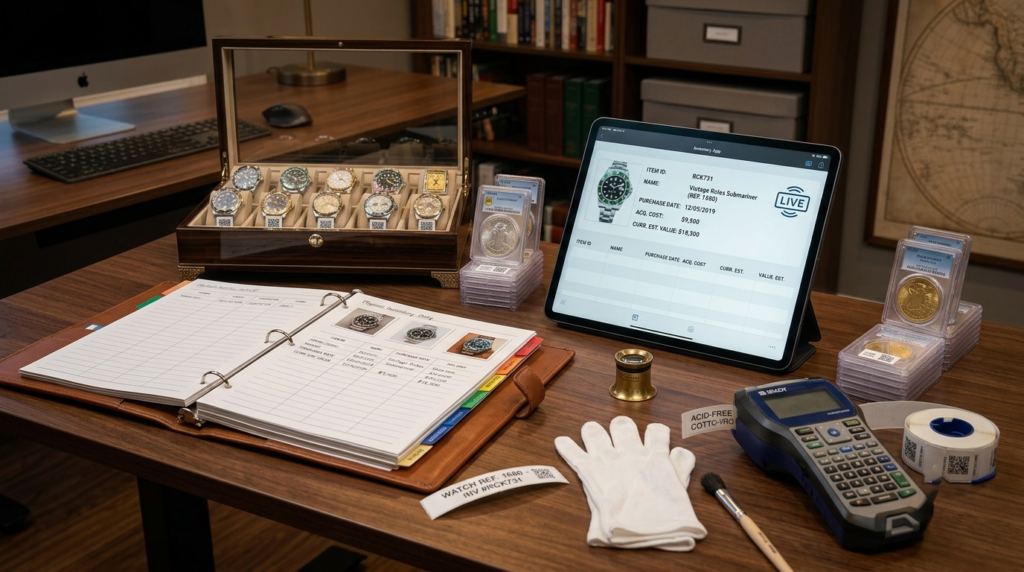
If you can’t prove what you have, you don’t really own it in the eyes of the future. A collection without documentation is just a pile of stuff.
-
Digitize Everything: Create a spreadsheet or use a dedicated app to track your items. Include purchase dates, original costs, serial numbers, and photos.
-
The "Provenance" File: Keep a digital folder of receipts, certificates of authenticity (COAs), and any history regarding where the item came from. If you ever decide to sell, this paper trail adds significant value.
3. Think About "Timelessness" vs. "Trends"
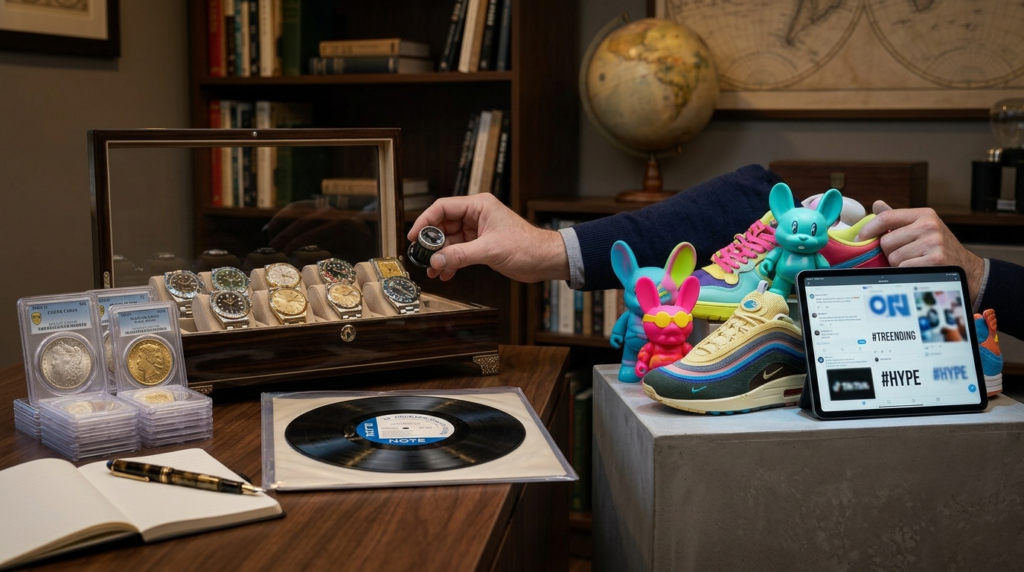
Trends are volatile. If you buy only what is "hot" on social media right now, you are building a collection based on hype cycles.
-
Look for Cultural Significance: Ask yourself: Will this item still matter in 20 years? Items that represent a specific cultural moment, an artistic breakthrough, or a historical shift are much more likely to hold value than items that are simply popular for a single season.
-
Diversify Within Your Niche: Don’t just buy the same thing in different colors. Build a collection that represents the full breadth of your interest.
4. Plan for the Hand-Off (Succession Planning)
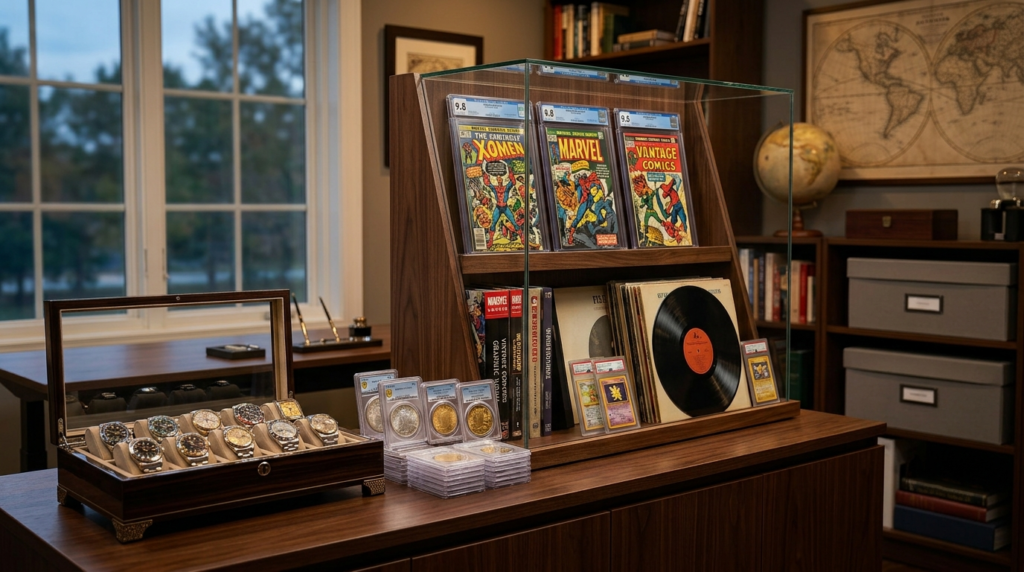
The ultimate way to future-proof a collection is to ensure it has a home after you’re done with it.
-
Write a Statement of Intent: If your collection is valuable, include it in your estate planning. If you want it to be donated to a museum or passed down to a specific family member, put it in writing.
-
Educate the Next Steward: If you plan to pass your collection to a loved one, take the time to share why you collected these pieces. The story behind an item is often what gives it the most lasting value.
The Bottom Line
Future-proofing is less about the items themselves and more about the care you put into them. By treating your collection like a curated archive rather than a hobby stockpile, you ensure that your items remain pristine, documented, and meaningful—no matter how much time passes.
What is the one item in your collection that you believe will be the most valuable in 20 years, and why?
LATEST ARTICLES

5 Signs You’ve Officially Become a Dedicated Collector (And Why It’s...

Expert Tip: How to “Future-Proof” Your Collection

The Vanishing Shelf: Why Physical Game Collecting Is Under Siege
From Plastic to Gold: The Most Expensive Power Rangers Toys in...

Our Day at the Puzzle Mansion, Tagaytay

Innovation is the making of unimaginable future